
In recent years, the construction and resource extraction industries have experienced significant growth, leading to an increased demand for efficient and effective housing solutions for workers. One innovative approach that has gained traction is the use of customizable prefabricated houses in worker camps. These structures provide a range of advantages, from cost savings to enhanced living conditions, making them an ideal choice for accommodating workers in remote locations. This article explores the benefits of customizable prefabricated houses in worker camps and their implications for the future of workforce housing.
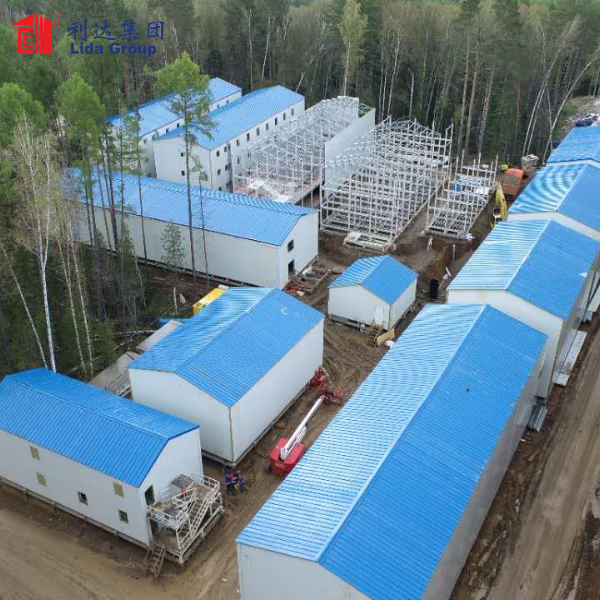
Understanding Prefabricated Houses
What Are Prefabricated Houses?
Prefabricated houses, often referred to as “prefabs,” are buildings that are manufactured off-site in sections or modules. These sections are then transported to the desired location for assembly. This construction method allows for faster build times, improved quality control, and reduced labor costs compared to traditional construction methods.
The Customization Aspect
One of the standout features of prefabricated houses is their customizability. These structures can be tailored to meet specific needs and preferences, making them versatile for various applications, including worker camps. Customizable options can include layout configurations, interior finishes, and additional amenities, allowing for a more comfortable and functional living environment for workers.
The Growing Need for Worker Camps
Industry Context
The demand for worker camps has surged in industries such as construction, mining, oil and gas, and renewable energy. As companies expand operations into remote areas, they require efficient housing solutions to accommodate their workforce. Worker camps provide essential housing, dining, and recreational facilities, ensuring that workers have a safe and comfortable environment while away from home.
Challenges in Traditional Housing Solutions
Traditional housing solutions for workers often come with significant challenges, including:
- High Costs: Building conventional housing in remote locations can be prohibitively expensive due to transportation costs, labor expenses, and extended construction timelines.
- Logistical Complications: Coordinating the transportation and assembly of construction materials can be complex, leading to delays and increased project costs.
- Limited Flexibility: Traditional housing options may not be easily adaptable to changing workforce sizes or specific needs, resulting in inefficient use of space.
Benefits of Customizable Prefabricated Houses in Worker Camps
1. Cost-Effectiveness
Reduced Construction Costs
Customizable prefabricated houses can significantly reduce construction costs for worker camps. By manufacturing sections off-site, companies can minimize the labor and material expenses typically associated with traditional construction methods. Furthermore, the streamlined assembly process reduces on-site labor requirements, leading to additional cost savings.
Efficient Use of Resources
Prefabrication allows for better resource management, as materials can be purchased in bulk and waste can be minimized during the manufacturing process. This efficiency contributes to overall cost savings and supports sustainable practices.
2. Speed of Construction
Rapid Deployment
One of the most significant advantages of prefabricated houses is the speed at which they can be constructed. With sections manufactured off-site, the time spent on-site for assembly is dramatically reduced. This rapid deployment is essential in the fast-paced environments of industries such as construction and resource extraction, where housing needs to be met quickly.
Reduced Downtime
The quick construction times associated with prefabricated houses enable companies to minimize downtime for their projects. Workers can be housed efficiently, allowing for a seamless transition between the construction phase and operational activities.
3. Customization and Flexibility
Tailored Living Spaces
Customizable prefabricated houses can be designed to meet the specific needs of the workforce. Companies can choose layouts that optimize space and functionality, including private sleeping quarters, shared living spaces, and communal areas for dining and recreation.
Adaptability to Workforce Changes
As project demands fluctuate, the flexibility of prefabricated houses allows for easy adjustments. Companies can scale housing up or down based on workforce size, ensuring that they are not over- or under-utilizing their resources.
4. Improved Living Conditions
Enhanced Comfort
Customizable prefabricated houses can be designed with worker comfort in mind. Options for better insulation, climate control systems, and quality interior finishes contribute to a more pleasant living environment, which can improve overall morale among workers.
Access to Amenities
Prefabricated houses can include essential amenities such as kitchens, bathrooms, and recreational spaces. By providing these facilities, companies can create a more supportive environment that contributes to worker satisfaction and productivity.
5. Sustainability
Environmentally Friendly Practices
The prefabrication process often incorporates sustainable building practices. For example, using energy-efficient materials and minimizing waste during construction supports environmentally friendly initiatives. Additionally, the portability of prefabricated houses reduces the need for extensive land development, preserving the surrounding ecosystem.
Long-Term Sustainability
Customizable prefabricated houses can be designed for energy efficiency, incorporating features such as solar panels and efficient heating and cooling systems. These sustainable practices not only reduce the environmental impact but also lower operational costs over time.
6. Safety and Compliance
Adherence to Regulations
Prefabricated houses can be manufactured to meet local building codes and safety regulations, ensuring that worker camps provide a safe living environment. This compliance is crucial in industries where worker safety is paramount.
Enhanced Safety Features
Customizable options allow for the incorporation of safety features, such as fire-resistant materials and secure entry points. These enhancements contribute to the overall safety of workers living in these camps.
Case Studies: Successful Implementations
1. Mining Operations
A mining company operating in a remote area faced challenges in housing its workforce. Traditional housing options were too costly and time-consuming. By adopting customizable prefabricated houses, the company was able to rapidly deploy a worker camp that met the needs of its employees. The new accommodations included private sleeping quarters, communal dining areas, and recreational spaces, significantly improving worker morale and productivity.
2. Oil and Gas Industry
In the oil and gas sector, a major player required temporary housing for its workforce during exploration activities. Prefabricated houses were designed to accommodate the specific needs of the workers, with features such as climate control and communal facilities. The ability to customize the housing quickly allowed the company to scale its operations efficiently while providing a comfortable living environment for its employees.
3. Renewable Energy Projects
A renewable energy company engaged in a large solar project needed housing solutions for its workers. Customizable prefabricated houses were chosen for their speed of construction and adaptability. The project included shared living spaces, kitchens, and recreational areas, fostering a sense of community among the workforce. The sustainable design of the prefabricated houses aligned with the company’s commitment to environmental responsibility.
The Future of Worker Camps
Trends in Workforce Housing
As industries continue to evolve, the demand for innovative housing solutions will grow. Customizable prefabricated houses are poised to play a significant role in the future of workforce housing. Key trends to watch include:
- Increased Customization: As companies recognize the importance of worker comfort and satisfaction, the demand for tailored housing solutions will increase.
- Sustainability Focus: Environmental concerns will drive the adoption of sustainable building practices, making prefabricated houses an attractive option for companies looking to reduce their carbon footprint.
- Technological Advancements: The integration of smart technologies into prefabricated houses, such as energy management systems and IoT devices, will enhance the living experience for workers.
Challenges and Considerations
While the benefits of customizable prefabricated houses are clear, there are also challenges to consider:
- Initial Investment: Although prefabricated houses can save money in the long run, the initial investment may be higher than traditional options, which could deter some companies.
- Regulatory Hurdles: Navigating local building codes and regulations can be complex, requiring careful planning and coordination to ensure compliance.
- Logistical Considerations: Transporting prefabricated sections to remote locations can present logistical challenges that need to be addressed during the planning phase.
Conclusion
Customizable prefabricated houses present a compelling solution for worker camps, offering a range of benefits that enhance the living conditions of employees in various industries. From cost savings and speed of construction to improved comfort and sustainability, these structures are transforming the way companies approach workforce housing.
As the demand for efficient housing solutions continues to grow, Lida Group and other innovative companies are leading the charge in providing customizable prefabricated houses that meet the needs of modern workforces. By prioritizing worker satisfaction and comfort, businesses can improve productivity, reduce turnover, and create a more positive working environment.
In conclusion, the adoption of customizable prefabricated houses in worker camps represents a significant advancement in workforce housing. As industries evolve and face new challenges, these innovative solutions will play a crucial role in ensuring that employees have access to safe, comfortable, and efficient living environments, ultimately contributing to the success of the organizations they serve.
Contact Us
Post time: Jan-07-2025