
In today’s global economy, many industries require workers to operate in remote locations, far from traditional housing options. Whether in construction, mining, oil and gas, or agriculture, the need for innovative living solutions has never been greater. Container homes have emerged as a practical and efficient way to address this demand, providing comfortable, durable, and cost-effective accommodations for workers. This article explores the innovations in container home design and construction, their benefits, and how they are transforming living conditions for workers.
Understanding Container Homes
What Are Container Homes?
Container homes are structures made from repurposed shipping containers that have been modified for residential use. These homes can be designed for single families, shared accommodations, or even larger communal living spaces. The versatility of container homes makes them an attractive option for workers stationed at remote job sites.
Key Features of Container Homes
- Modularity: Container homes can be stacked or arranged in various configurations, allowing for flexible designs that meet specific needs.
- Durability: Built from steel, shipping containers are inherently strong and resistant to harsh weather conditions, pests, and fire.
- Sustainability: Repurposing shipping containers reduces waste and minimizes the environmental impact of new construction.
- Cost-Effectiveness: Container homes often cost less to build than traditional homes, making them an economical choice for companies looking to house workers.
- Rapid Construction: The modular nature of container homes allows for quick assembly and relocation, making them ideal for temporary housing solutions.
Innovations in Container Home Design
1. Smart Home Technology
Advancements in technology have made it possible to incorporate smart home features into container homes:
- IoT Integration: Smart sensors can monitor energy usage, temperature, and security, providing real-time data to homeowners and managers.
- Automation: Features such as automated lighting, heating, and cooling systems enhance comfort and energy efficiency.
2. Eco-Friendly Materials
Sustainability is a crucial consideration in modern construction:
- Insulation: Innovative insulation materials can be used to improve energy efficiency, ensuring that container homes remain comfortable in extreme temperatures.
- Energy Solutions: Solar panels and rainwater harvesting systems can be integrated into container homes, reducing reliance on external resources.
3. Customization and Aesthetic Appeal
Container homes can be customized to reflect personal style and community needs:
- Exterior Design: Various finishes, colors, and landscaping options can enhance the visual appeal of container homes, making them more inviting.
- Interior Layouts: Flexible floor plans allow for different living arrangements, from single-occupancy units to larger communal spaces.
4. Modular Expansion
The modular nature of container homes allows for easy expansion:
- Scalable Solutions: As workforce needs change, additional containers can be added to accommodate more workers without significant disruption.
- Flexible Configurations: Containers can be reconfigured to create communal areas, recreational spaces, or additional sleeping quarters.
5. Enhanced Safety Features
Safety is a top priority in container home design:
- Structural Reinforcement: Containers can be reinforced to withstand seismic activity and extreme weather conditions, ensuring the safety of occupants.
- Fire-Resistant Materials: Incorporating fire-resistant materials and systems can enhance the overall safety of container homes.
Benefits of Container Homes for Workers
1. Improved Living Conditions
Providing comfortable living conditions is essential for worker satisfaction:
- Quality Amenities: Container homes can include modern amenities such as kitchens, bathrooms, and common areas, ensuring that workers have a pleasant living experience.
- Personal Space: Private sleeping quarters help workers recharge, contributing to better mental health and productivity.
2. Cost-Effectiveness for Employers
Investing in container homes can lead to significant financial savings:
- Lower Initial Costs: The cost of building container homes is often lower than traditional housing, making them an attractive option for employers.
- Reduced Maintenance: Durable materials mean lower long-term maintenance costs, enhancing overall cost-effectiveness.
3. Flexibility and Scalability
Container homes offer unparalleled flexibility to adapt to changing workforce needs:
- Customizable Solutions: Each unit can be tailored to meet specific requirements, ensuring that accommodations align with worker preferences.
- Expandable Options: As workforce sizes fluctuate, additional units can be easily added or reconfigured to accommodate new workers.
4. Environmental Sustainability
Sustainability is increasingly important in modern construction:
- Resource Efficiency: Repurposing shipping containers reduces waste and promotes environmentally friendly practices.
- Energy Efficiency: Many container homes are designed with energy-efficient systems that reduce consumption and lower utility costs.
5. Quick Deployment
Container homes can be rapidly deployed, making them ideal for urgent housing needs:
- Fast Assembly: Most container homes can be assembled on-site within days, providing immediate housing solutions for workers.
- Mobility: If a project site changes, container homes can be relocated with relative ease, minimizing disruptions.
Applications of Container Homes in Various Industries
1. Construction Sites
In the construction industry, container homes are essential for accommodating workers:
- Temporary Housing: Container homes provide durable, temporary housing solutions for construction workers, allowing them to stay close to job sites.
- On-Site Facilities: These homes can be designed to include dining areas, restrooms, and break rooms, ensuring that workers have access to necessary amenities.
2. Mining Operations
Mining companies often operate in remote locations where traditional housing solutions are impractical:
- Remote Workforce Accommodation: Container homes offer practical solutions for housing workers in isolated areas, providing safe and comfortable living conditions.
- Durability in Harsh Environments: Designed to withstand extreme weather conditions, container homes are well-suited for rugged mining environments.
3. Oil and Gas Industries
The oil and gas sector requires efficient housing solutions for workers in challenging environments:
- Mobile Camps: Container homes can be easily transported to remote drilling sites, providing immediate accommodation for workers.
- Adaptable Designs: As operations shift, container homes can be relocated or reconfigured to meet changing needs.
4. Agricultural Workers
The agricultural sector relies on seasonal labor, necessitating flexible housing solutions:
- Seasonal Worker Housing: Container homes can provide housing for seasonal agricultural workers, ensuring they have a comfortable place to stay during peak seasons.
- Customizable Layouts: Farmers can customize the design of the units to meet the specific needs of their workforce, enhancing overall productivity.
5. Disaster Relief and Humanitarian Efforts
In times of crisis, container homes can provide immediate shelter:
- Emergency Housing: Container homes can be deployed quickly in disaster-stricken areas to provide immediate shelter for displaced individuals.
- Temporary Shelters: These structures can serve as temporary shelters during humanitarian missions, offering safe environments for those in need.
The Implementation Process of Container Homes
1. Planning and Consultation
The implementation of container homes begins with thorough planning:
- Needs Assessment: Companies should assess their specific housing needs based on workforce size, project duration, and budget constraints.
- Stakeholder Engagement: Engaging stakeholders, including workers, in the planning process ensures that accommodations meet their needs and preferences.
2. Designing the Container Homes
Selecting an appropriate design is crucial for the success of container homes:
- Custom Modular Solutions: Consider modular designs that allow for quick assembly and adaptability to changing needs.
- Compliance with Regulations: Ensure that designs comply with local building codes and regulations to avoid legal complications.
3. Manufacturing and Prefabrication
Once the design is finalized, the manufacturing process begins:
- Production of Containers: Container units are manufactured in a controlled environment, ensuring high quality and consistency.
- Quality Control: Each unit undergoes rigorous quality checks to meet industry standards and specifications.
4. Site Preparation
While the container homes are being fabricated, site preparation takes place:
- Clearing and Grading: The site is cleared of obstacles and graded to ensure a level foundation for the units.
- Foundation Construction: A strong foundation may be laid, depending on the site conditions and intended use of the container homes.
5. Assembly
The assembly phase is where the container homes come together:
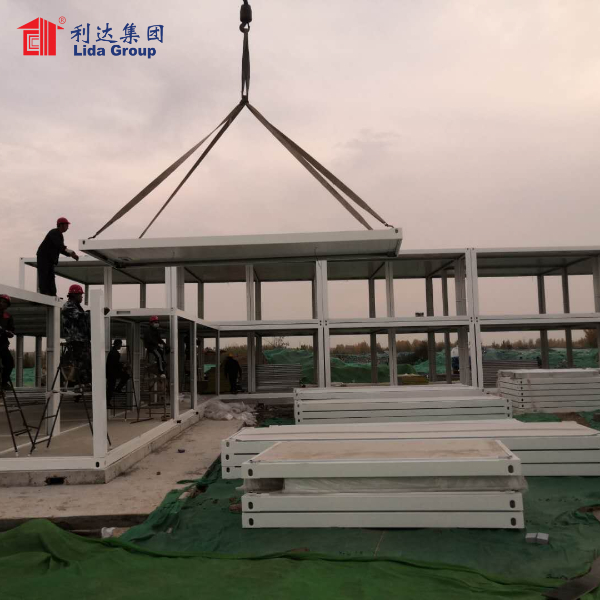
- Erection of Units: The container homes are assembled on-site, often using cranes or other lifting equipment for efficiency.
- Installation of Utilities: Electrical, plumbing, and HVAC systems are installed to ensure the units are fully operational and comfortable for occupants.
6. Finishing Touches
After the main structure is complete, finishing touches are added:
- Interior Layout: Additional features such as kitchens, bathrooms, and common areas are constructed according to the design specifications.
- Exterior Finishing: The exterior of the units may be finished with weather-resistant materials to ensure durability.
7. Final Inspection and Handover
Before the container homes are handed over to the client, a final inspection is conducted:
- Quality Assurance: Thorough checks ensure that all aspects of the container units meet quality standards and regulatory compliance.
- Client Walkthrough: A walkthrough with the client allows for any last-minute adjustments or modifications.
Case Studies: Successful Implementations of Container Homes
Case Study 1: Construction Site Housing
Challenge: A construction company needed temporary housing for workers on a large-scale project in a remote location.
Solution: The company partnered with a container home provider to design and build a facility that included sleeping quarters, dining facilities, and recreational areas.
Outcome: The project was completed ahead of schedule, providing comfortable accommodations that improved worker satisfaction and productivity.
Case Study 2: Mining Operation Accommodation
Challenge: A mining company required durable housing solutions for workers in a harsh, remote environment.
Solution: The company implemented container homes that could withstand extreme weather conditions and provide essential amenities.
Outcome: The new accommodations enhanced worker morale and retention, leading to a more stable workforce and improved operational efficiency.
Case Study 3: Agricultural Worker Housing
Challenge: A farm needed seasonal housing for agricultural workers during peak harvest times.
Solution: The farm opted for container homes that could be easily assembled and disassembled based on seasonal needs.
Outcome: The flexible housing solutions allowed the farm to efficiently manage labor during busy seasons, leading to increased productivity.
The Future of Container Homes for Workers
Technological Innovations
The future of container homes will be shaped by ongoing technological advancements:
- Smart Technology Integration: Incorporating IoT devices into container homes can enhance monitoring and management of living conditions, improving overall comfort for occupants.
- Data-Driven Design: Utilizing data analytics to inform design and operational decisions can lead to more efficient and effective living environments.
Sustainability Focus
As the construction industry moves toward sustainability, container homes will play a key role:
- Green Building Practices: The emphasis on environmentally friendly materials and practices will drive further innovation in container design.
- Energy Efficiency: Continued development of energy-efficient systems will further reduce the environmental impact of container homes.
Customization and Adaptability
The demand for customized and adaptable housing solutions will continue to grow:
- Tailored Designs: Container homes will increasingly offer customizable options that meet specific client needs and preferences.
- Flexible Configurations: The ability to easily modify or expand container units will remain a key feature, ensuring they can adapt to changing project requirements.
Global Market Potential
The demand for container homes for workers is expected to grow globally:
- Emerging Markets: Developing countries will increasingly seek modern housing solutions to support their growing economies and infrastructure projects.
- Evolving Workforce Needs: As industries continue to evolve, the need for efficient and effective housing solutions will become more pronounced, driving demand for innovative container designs.
Conclusion
Container home innovations represent a significant advancement in providing safe, efficient, and comfortable housing solutions for workers in various industries. By prioritizing worker satisfaction, productivity, and sustainability, these homes are transforming living conditions for employees stationed in remote locations.
As the global demand for effective labor housing solutions continues to rise, investing in container homes will empower companies to meet their operational needs while adhering to modern standards of quality and environmental responsibility. In a world increasingly focused on efficiency, adaptability, and sustainability, container homes stand at the forefront of industrial innovation.
By embracing this approach, organizations can foster a more productive and satisfied workforce, ultimately contributing to their long-term success and the well-being of their employees.
Contact Us
Post time: Apr-16-2025